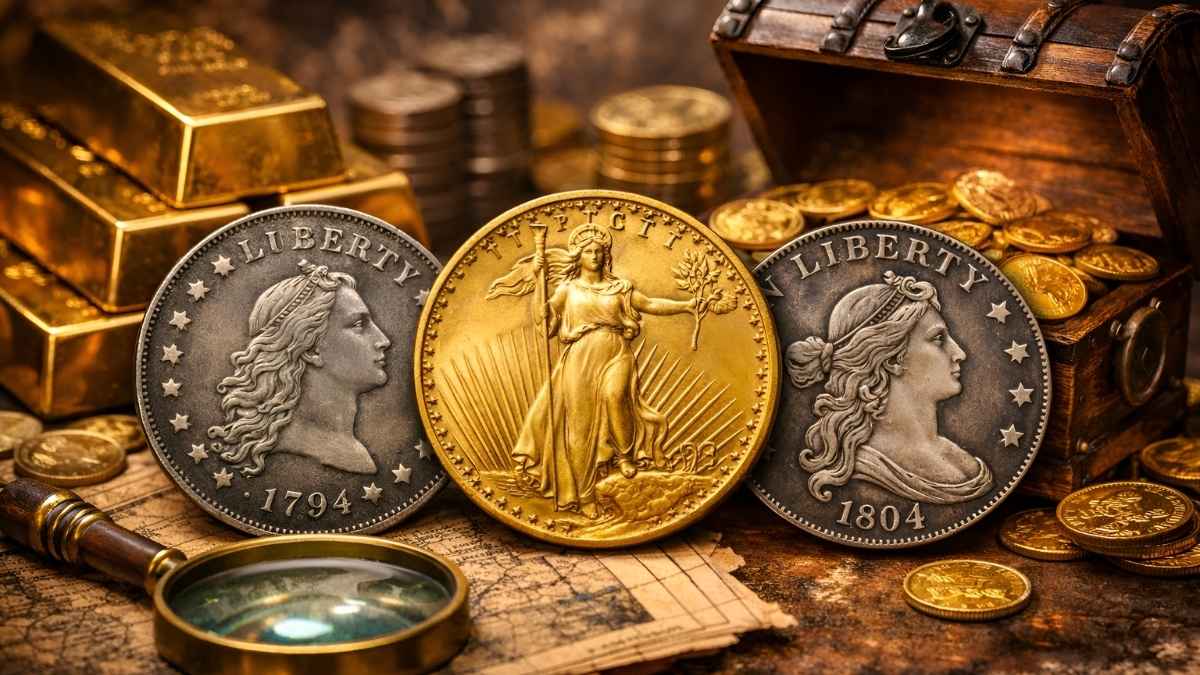
Rare U.S. Coins Worth Millions: The world of coin collecting is filled with fascinating stories of rare discoveries, minting errors, and historical treasures. While most coins are worth only their face value, certain rare U.S. coins have achieved legendary status, selling for millions of dollars at auctions. These coins are prized not only for their rarity but also for their historical significance and the stories they tell about America’s past. For collectors and enthusiasts, understanding which coins hold extraordinary value is essential to building a meaningful collection.
Why Rare Coins Are So Valuable
The value of a coin is determined by several factors: rarity, condition, demand, and historical importance. Coins with extremely low mintages, unique errors, or ties to significant events often command the highest prices. Collectors are willing to pay millions for coins that represent milestones in U.S. history or showcase minting mistakes that slipped through production. These coins are more than currency; they are artifacts that connect us to the nation’s heritage.
The 1794 Flowing Hair Silver Dollar
One of the most valuable coins in U.S. history is the 1794 Flowing Hair silver dollar. Believed to be among the first silver dollars ever struck by the U.S. Mint, it features Lady Liberty with flowing hair on the obverse and an eagle on the reverse. Its rarity and historical significance have made it a centerpiece of numismatic collections. In pristine condition, this coin has sold for more than $10 million, making it one of the most expensive coins ever auctioned.
The 1933 Double Eagle
The 1933 Double Eagle is another legendary coin. Originally minted as a $20 gold piece, nearly all examples were melted down after the U.S. abandoned the gold standard. A few coins escaped destruction, and their rarity has made them incredibly valuable. Legal battles over ownership have only added to their mystique. Today, surviving examples of the 1933 Double Eagle have sold for millions, cementing their place as one of the most famous coins in American history.
The 1804 Draped Bust Dollar
Known as the “King of American Coins,” the 1804 Draped Bust dollar is one of the rarest and most sought-after coins. Although dated 1804, most examples were actually struck decades later as diplomatic gifts. Only a handful exist, and their rarity has driven values into the millions. Collectors prize this coin not only for its scarcity but also for its fascinating backstory.
The 1913 Liberty Head Nickel
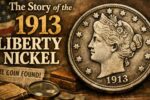
The 1913 Liberty Head nickel is another coin that has captured the imagination of collectors. Only five examples are known to exist, making it one of the rarest coins in U.S. history. Its mysterious origins and limited availability have made it a prized possession, with values reaching millions of dollars. Each time one of these nickels appears at auction, it generates excitement in the numismatic community.
The 1870-S Seated Liberty Dollar
The 1870-S Seated Liberty dollar is a coin shrouded in mystery. Official records do not list its production, yet a few examples exist. This has led to speculation about how and why they were struck. Their rarity and enigmatic history have made them highly valuable, with prices reaching into the millions. For collectors, owning one of these coins is like holding a piece of numismatic legend.
The 1943 Copper Wheat Penny
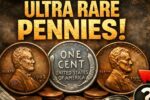
Among error coins, the 1943 copper Wheat penny is one of the most famous. During World War II, pennies were struck in steel to conserve copper for the war effort. However, a few copper planchets were mistakenly used, creating the rare 1943 copper penny. These coins are instantly recognizable and incredibly valuable, with some examples selling for hundreds of thousands and even approaching the million-dollar mark.
The 1944 Steel Wheat Penny
Similar to the 1943 copper penny, the 1944 steel penny was created when leftover steel planchets were accidentally used after the Mint returned to copper. These coins are extremely rare and highly prized by collectors. Their values can reach tens of thousands or more, depending on condition, making them one of the most desirable error coins in U.S. history.
The 1792 Birch Cent
The 1792 Birch cent is considered one of the earliest experimental coins produced by the U.S. Mint. Featuring a portrait of Liberty, it was struck as part of the effort to establish a national coinage system. Only a few examples exist today, and their rarity has made them worth millions. Collectors value this coin for its historical importance as well as its scarcity.
The 1822 Half Eagle
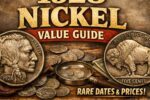
The 1822 Half Eagle, a $5 gold coin, is another rarity. Only three examples are known to exist, making it one of the scarcest coins in American numismatics. Its rarity and historical significance have driven values into the millions. For collectors, owning an 1822 Half Eagle is considered a pinnacle achievement.
Identifying Rare Coins in Your Collection
Collectors interested in finding rare coins must carefully examine their collections. Key steps include:
- Checking dates and mint marks, as certain combinations are far rarer than others.
- Using magnification tools to spot errors such as doubling or die cracks.
- Weighing coins to detect wrong planchet errors.
- Comparing coins to official references to identify discrepancies.
Patience and attention to detail are essential, as valuable coins often hide among ordinary examples.
The Role of Grading Services
Professional grading services play a crucial role in the numismatic world. They evaluate coins for authenticity, condition, and error classification. A coin certified as genuine carries far more weight in the market than one identified only by a collector. Grading services also assign numerical grades that reflect the coin’s condition, with higher grades commanding higher prices. For collectors of rare U.S. coins, certification is often essential to maximize value.

Market Trends for Rare Coins
The market for rare coins has remained strong for decades. Auction houses regularly feature coins that sell for hundreds of thousands or even millions of dollars. As more collectors become aware of these rarities, demand grows, pushing values upward. The combination of historical significance, unique design, and error rarity makes rare coins a compelling investment for numismatists.
Historical Importance Beyond Value
Beyond their monetary worth, rare coins hold historical importance. They serve as tangible connections to the past, reflecting the artistry, technology, and culture of their time. Error coins add another layer of intrigue, representing the human element in the minting process. For collectors, owning a rare coin is not just about its value but also about preserving a piece of history.

Collecting Strategies for Enthusiasts
Collectors interested in rare coins should adopt a strategic approach. Building relationships with reputable dealers, attending coin shows, and participating in auctions are effective ways to acquire rare pieces. Patience is key, as rare coins are not always readily available. Collectors should also educate themselves about the types of errors and the characteristics that distinguish genuine examples from altered or counterfeit coins. Investing in magnification tools and reference materials can greatly enhance the collecting experience.
The Future of Rare Coin Collecting
As time passes, the availability of rare coins will likely decrease. Many are locked away in private collections, reducing the number available on the market. This scarcity could drive values even higher. Future generations of collectors will continue to seek out these rarities, ensuring their place in numismatic history. The enduring appeal of rare coins suggests that they will remain a prized category for years to come.
Conclusion
Rare U.S. coins worth millions represent the pinnacle of numismatic achievement. From the 1794 Flowing Hair silver dollar to the 1943 copper penny, these coins embody both historical significance and extraordinary rarity. For collectors, the pursuit of rare coins is both a challenge and a reward, offering the chance to own a piece of history that is as rare as it is meaningful. Whether discovered in circulation or acquired through auctions, these coins continue to inspire and excite enthusiasts around the world.