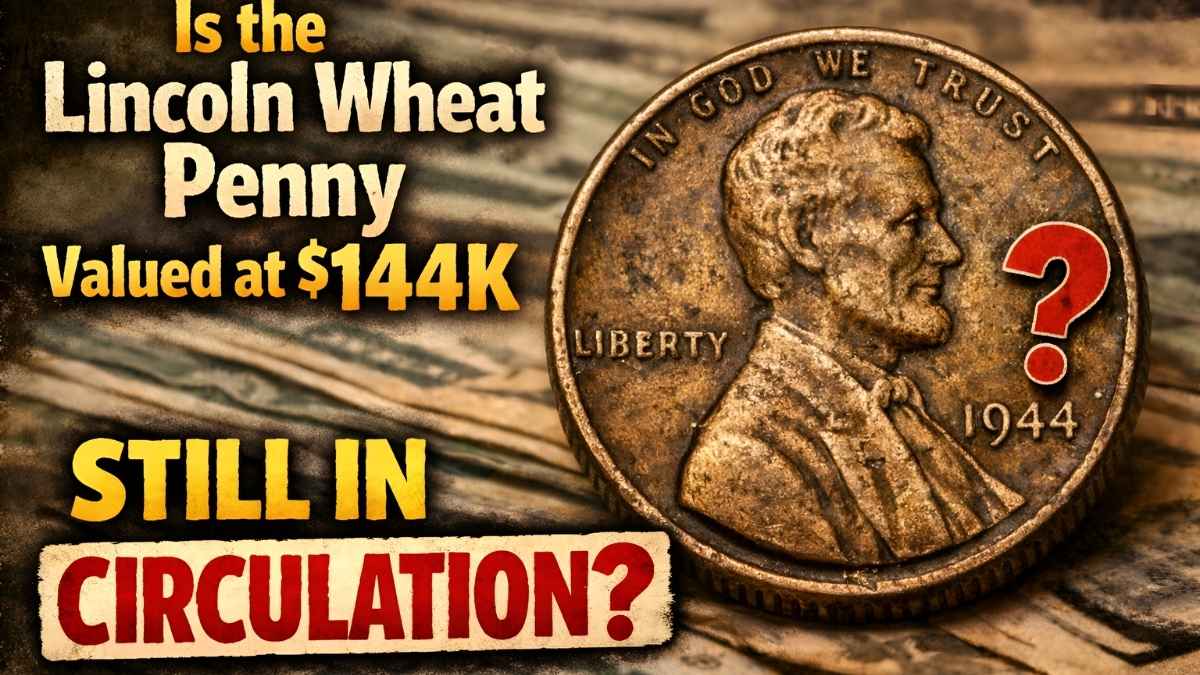
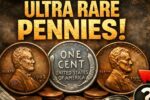
Valued at $144K Still in Circulation: The Lincoln Wheat Penny was first minted in 1909 to celebrate the 100th anniversary of Abraham Lincoln’s birth. Designed by Victor David Brenner, it was the first U.S. coin to feature a real person. The obverse shows Lincoln’s portrait, while the reverse displays two wheat stalks framing the words “ONE CENT.” This design remained in use until 1958, when the Lincoln Memorial replaced the wheat ears. Its long production run and distinctive design make it one of the most recognized coins in American history.
Why Certain Wheat Pennies Are Valuable
Most wheat pennies are worth only a few cents, but some rare varieties can command staggering prices. Factors such as minting errors, unusual materials, low mintage years, and pristine condition contribute to their value. Coins like the 1909-S VDB, 1914-D, and 1943 bronze cents are especially prized. These rare conditions transform ordinary pennies into treasures worth thousands, and in some cases, hundreds of thousands of dollars.
The $144,000 Penny
Among the rarest varieties, one Lincoln Wheat Penny has been valued at $144,000. This extraordinary valuation comes from its rarity and condition, making it a collector’s dream. Such coins are not commonly found, but the possibility that they remain in circulation adds excitement to everyday transactions. The idea that a penny worth more than a luxury car could be sitting unnoticed in a coin jar or pocket change is both thrilling and realistic.
Could It Still Be in Circulation?
The short answer is yes, it is possible. Rare coins sometimes remain in circulation because people do not recognize their value. Many wheat pennies were produced in large numbers, and some rare varieties may still be mixed with ordinary coins. While the chances are slim, stories of valuable coins discovered in everyday change continue to surface, reminding us that treasures can hide in plain sight.
Identifying Valuable Wheat Pennies
For beginners, identifying valuable wheat pennies requires careful observation. Start by checking the year and mint mark. Coins from rare years or with unusual mint marks such as “S” for San Francisco or “D” for Denver can indicate rarity. Condition also plays a major role. Uncirculated coins or those with minimal wear are worth far more than heavily circulated ones. Using magnifying glasses to check details and comparing coins with collector value charts are helpful steps.
Everyday Change as Hidden Treasure
The possibility that a penny worth $144,000 could still be in circulation makes everyday change more exciting. Coin jars, piggy banks, and old family collections often contain wheat pennies. Taking a moment to examine coins carefully can reveal hidden treasures that might otherwise go unnoticed. This practice turns ordinary transactions into opportunities for discovery.
The Role of Collectors and Auctions
Collectors and auctions play a vital role in determining the value of rare coins. Auctions often set record prices for unique wheat pennies, with bidding driven by rarity and demand. While most wheat pennies are worth only a few cents, rare varieties can spark intense competition among collectors. This demand ensures that valuable coins continue to hold their worth and sometimes even increase in value over time.
Misconceptions About Value
It is important to note that not every wheat penny is valuable. Many circulated coins from common years are worth only a few cents. Misconceptions about million-dollar pennies often circulate, but the reality is that only specific varieties reach high values. Understanding the difference between ordinary and rare coins helps avoid disappointment and ensures realistic expectations.
Tips for Beginners in Coin Collecting
For those interested in exploring coin collecting, start by learning to identify wheat pennies and other historic coins. Beginners should focus on building knowledge rather than expecting instant wealth. Over time, the practice of examining coins becomes both educational and rewarding. Patience and attention to detail are key, as even small discoveries can lead to significant value.
The Broader Significance of Coin Collecting
Coin collecting is more than a search for monetary value. It is a way to connect with history, appreciate design, and understand economic changes over time. Each coin tells a story about the era in which it was minted. The Lincoln Wheat Penny, in particular, reflects both the legacy of Abraham Lincoln and the evolution of American currency.
Conclusion: A Penny Worth More Than Its Face Value
The Lincoln Wheat Penny valued at $144,000 is a reminder that extraordinary treasures can hide in the most ordinary places. While most pennies are common, rare varieties highlight the importance of paying attention to details. For collectors and beginners alike, the lesson is clear: even a single penny can hold extraordinary worth. The possibility that such coins remain in circulation today adds excitement to everyday life, proving that history and value can be found in the smallest objects.