Discover the Lincoln Wheat Penny Worth $770K: The Lincoln Wheat penny, officially known as the Lincoln Wheat cent, was minted between 1909 and 1958. It is one of the most iconic coins in American history, featuring Abraham Lincoln on the obverse and two wheat stalks framing the words “One Cent” on the reverse. These coins were produced in massive numbers, but certain rare dates, mint marks, and minting errors have made some examples worth far more than their face value. Among them, a few extraordinary specimens have reached values as high as $770,000, making them legendary in the world of coin collecting.
Historical Significance of the Wheat Penny
The Lincoln Wheat penny was introduced in 1909 to commemorate the centennial of Abraham Lincoln’s birth. It was the first U.S. coin to feature a real person, breaking from the tradition of using symbolic figures. Designed by Victor David Brenner, the coin quickly became popular and remained in production for nearly fifty years. Its long history and connection to Lincoln make it a favorite among collectors, and its many varieties provide endless opportunities for discovery.
Why Some Wheat Pennies Are Worth Hundreds of Thousands
Most Wheat pennies are worth only a few cents or dollars, but rare varieties and minting errors can command extraordinary prices. The value of a coin depends on several factors: rarity, condition, demand, and historical significance. Coins with extremely low mintages or unique errors are especially valuable. When combined with high-grade preservation, these coins can reach values in the hundreds of thousands, with some examples selling for $770,000 or more at auction.
The Famous 1943 Copper Wheat Penny
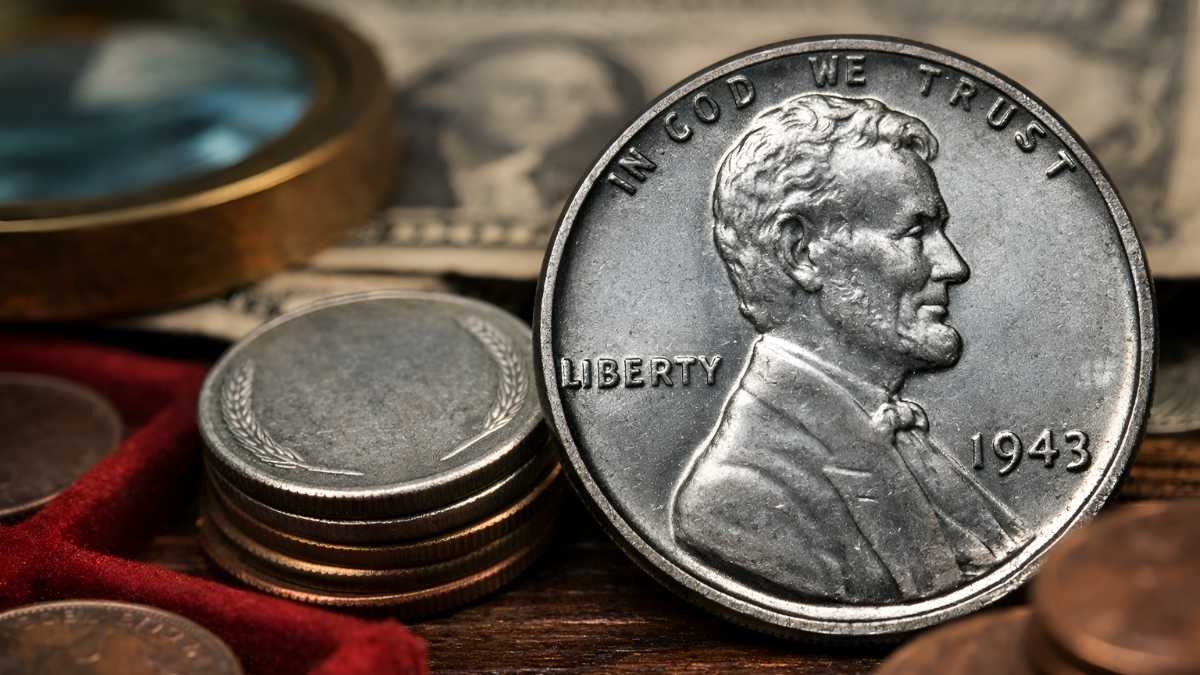
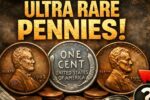
One of the most valuable Wheat pennies is the 1943 copper penny. During World War II, the U.S. Mint switched to steel planchets to conserve copper for the war effort. However, a few copper planchets were mistakenly used, creating the rare 1943 copper penny. These coins are instantly recognizable and incredibly valuable. Depending on condition, they can sell for hundreds of thousands of dollars, with some examples reaching the $770,000 mark.
The 1944 Steel Wheat Penny
Another extraordinary rarity is the 1944 steel penny. After the war, the Mint returned to copper planchets, but a few leftover steel blanks from 1943 were accidentally used. These coins are extremely rare and highly prized by collectors. Like the 1943 copper penny, they can command values in the hundreds of thousands, making them among the most valuable Wheat pennies ever discovered.
Other Rare Wheat Penny Varieties
While the 1943 copper and 1944 steel pennies are the most famous, other Wheat penny varieties are also highly valuable. These include:
- 1909-S VDB, the first year of issue with designer Victor David Brenner’s initials.
- 1914-D, a low-mintage coin from the Denver Mint.
- 1922 No D, an error variety where the Denver mint mark is missing.
- 1931-S, another low-mintage coin that is highly collectible.
Each of these coins can be worth hundreds or thousands of dollars, depending on condition.
Doubled Die Errors and Their Appeal
Doubled die errors occur when the die used to strike coins is improperly manufactured, causing parts of the design to appear doubled. The most famous example is the 1955 doubled die penny, where the doubling is visible in the date and lettering. These coins are highly collectible and can be worth thousands of dollars. While not as valuable as the 1943 copper or 1944 steel pennies, they remain important treasures in the Wheat penny series.
Identifying Valuable Wheat Pennies
Collectors interested in finding valuable Wheat pennies must carefully examine their coins. Key steps include:
- Checking the date and mint mark, as certain combinations are rarer than others.
- Using magnification tools to spot errors such as doubling or die cracks.
- Weighing coins to detect wrong planchet errors.
- Comparing coins to official references to identify discrepancies.
Patience and attention to detail are essential, as valuable coins often hide among ordinary examples.
The Role of Grading Services
Professional grading services play a crucial role in the numismatic world. They evaluate coins for authenticity, condition, and error classification. A coin certified as a genuine 1943 copper penny or 1944 steel penny carries far more weight in the market than one identified only by a collector. Grading services also assign numerical grades that reflect the coin’s condition, with higher grades commanding higher prices. For collectors of Wheat penny rarities, certification is often essential to maximize value.
Market Trends for Wheat Pennies
The market for Wheat pennies has remained strong for decades. Rare dates and error varieties continue to attract significant interest, with auction prices often reaching impressive levels. As more collectors become aware of these rarities, demand grows, pushing values upward. The combination of historical significance, unique design, and error rarity makes Wheat pennies a compelling investment for numismatists. Auction results show that well-preserved error coins can sell for hundreds of thousands of dollars, with some reaching the $770,000 mark.

Historical Importance Beyond Value
Beyond their monetary worth, Wheat pennies hold historical importance. They commemorate Abraham Lincoln and symbolize America’s heritage. For many collectors, owning a Wheat penny is not just about its value but also about preserving a piece of history. Error coins add another layer of intrigue, representing the human element in the minting process and reminding us that even in highly controlled environments, mistakes can occur.
Collecting Strategies for Enthusiasts
Collectors interested in Wheat pennies should adopt a strategic approach. Building relationships with reputable dealers, attending coin shows, and participating in auctions are effective ways to acquire rare pieces. Patience is key, as error coins and rare dates are not always readily available. Collectors should also educate themselves about the types of errors and the characteristics that distinguish genuine examples from altered or counterfeit coins. Investing in magnification tools and reference materials can greatly enhance the collecting experience.

The Future of Wheat Penny Collecting
As time passes, the availability of rare Wheat pennies will likely decrease. Coins may become locked away in private collections, reducing the number available on the market. This scarcity could drive values even higher. Future generations of collectors will continue to seek out these rarities, ensuring their place in numismatic history. The enduring appeal of error coins suggests that Wheat pennies will remain a prized category for years to come.
Conclusion
The Lincoln Wheat penny, with its iconic design and historical significance, has become more than just a piece of currency. Through minting errors such as the 1943 copper and 1944 steel pennies, it has achieved legendary status among collectors. Some examples have reached values as high as $770,000, transforming ordinary coins into extraordinary treasures. For enthusiasts, the pursuit of Wheat penny rarities is both a challenge and a reward, offering the chance to own a piece of history that is as rare as it is meaningful.