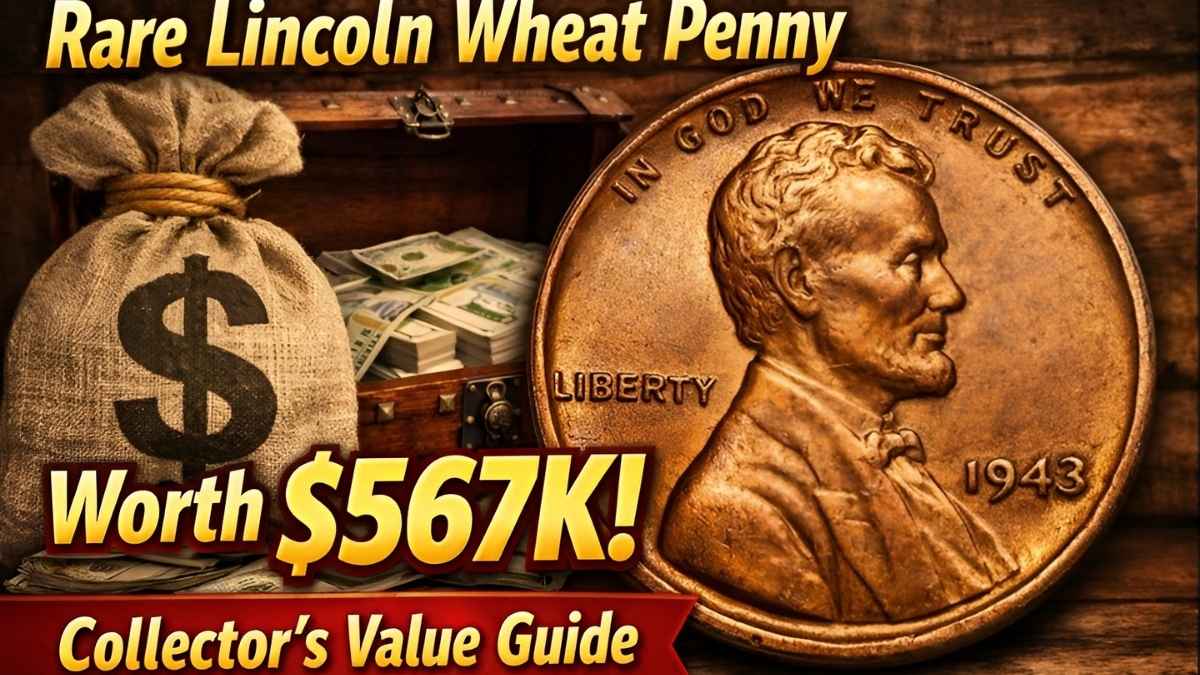
Rare Lincoln Wheat Penny Worth $567K: The Lincoln Wheat penny, first minted in 1909, is one of the most iconic coins in American history. Designed by Victor David Brenner, it features the profile of President Abraham Lincoln on the obverse and two wheat stalks on the reverse. This design remained in circulation until 1958, when it was replaced by the Lincoln Memorial reverse. The Wheat penny is beloved by collectors for its historical significance, artistic design, and the many rare varieties that have emerged over decades of minting.
Why Wheat Pennies Can Be Worth Hundreds of Thousands
At first glance, a penny may seem insignificant, but certain Wheat pennies have achieved extraordinary values. Their worth is determined by rarity, condition, and historical context. Coins produced in limited numbers or with minting errors often become highly sought after. Condition plays a critical role, with uncirculated or high-grade examples commanding far higher prices than worn coins. Demand among collectors also drives value, as competition for rare specimens pushes prices to record-breaking levels.
The $567,000 Lincoln Wheat Penny
Among the most valuable Wheat pennies is a rare specimen that sold for $567,000. This coin’s staggering value stems from its rarity and pristine condition. It represents a perfect storm of numismatic desirability: limited mintage, historical significance, and exceptional preservation. For collectors, owning such a coin is not just about monetary worth but about possessing a piece of American history that few others can claim.
The 1943 Copper Wheat Penny
One of the most famous Wheat pennies is the 1943 copper cent. During World War II, the U.S. Mint switched from copper to steel for penny production to conserve copper for the war effort. However, a small number of pennies were mistakenly struck in copper, creating one of the rarest coins in American history. These pennies are highly sought after, with pristine examples selling for hundreds of thousands of dollars. The 1943 copper penny symbolizes both wartime necessity and minting anomaly, making it a cornerstone of rare coin collections.
The 1909-S VDB Lincoln Cent
The 1909-S VDB cent is another legendary coin among collectors. It was the first year of the Lincoln cent, and Brenner’s initials, VDB, were placed prominently on the reverse. Public controversy led to their removal after a limited run. Only a small number of these coins were minted in San Francisco, making them exceptionally rare. Today, the 1909-S VDB cent is celebrated not only for its scarcity but also for its role in introducing the iconic Lincoln design that remains in circulation more than a century later.
The 1922 No D Wheat Penny
The 1922 Wheat penny is notable for a minting error in which some coins were struck without the “D” mint mark, even though all pennies that year were supposed to be produced in Denver. This error created a rare variety that collectors prize highly. Depending on condition, the 1922 No D penny can sell for thousands of dollars. Its rarity and unusual origin make it one of the most intriguing coins in the Wheat penny series.

The 1955 Double Die Wheat Penny
Minting errors often create some of the most valuable coins, and the 1955 double die penny is a prime example. Due to a misalignment during the minting process, the coin’s inscriptions appear doubled, most notably the word “Liberty” and the date. This striking error makes the coin instantly recognizable and highly collectible. Well-preserved examples can sell for tens of thousands of dollars, depending on condition. The 1955 double die penny demonstrates how mistakes can transform ordinary coins into extraordinary treasures.
The Role of Condition and Grading
Condition is one of the most important factors in determining a coin’s value. Coins are graded on a scale ranging from poor to mint state, with higher grades commanding significantly higher prices. Professional grading services provide authentication and standardized assessments, giving buyers confidence in their purchases. A rare Wheat penny graded at the highest levels can be worth many times more than the same coin in average condition. Grading is essential to establishing value and ensuring transparency in the coin-collecting market.
Investment Potential of Rare Wheat Pennies
Rare Wheat pennies are not just collectibles; they are also investments. Their limited supply and growing demand make them attractive assets for collectors and investors alike. Unlike traditional investments, coins carry intrinsic value due to their metal content and historical significance. In 2026, investors continue to diversify their portfolios by including rare coins, recognizing their ability to preserve wealth and appreciate over time. The market for rare Wheat pennies remains strong, driven by both passion and financial opportunity.
Stories That Enrich Collecting
Each rare Wheat penny carries a story that enriches its appeal. The 1943 copper penny tells of wartime resourcefulness, while the 1909-S VDB cent reflects artistic controversy. The 1922 No D penny showcases the impact of minting errors, and the 1955 double die penny demonstrates how mistakes can create lasting fascination. Collectors often cherish these stories as much as the coins themselves, as they provide a deeper connection to history and culture.
Challenges in Collecting Rare Pennies
Collecting rare Wheat pennies is not without challenges. Counterfeiting remains a concern, with advanced techniques making it difficult to detect fakes. Market fluctuations can also affect values, requiring collectors to stay informed and cautious. Proper storage and preservation are critical, as environmental factors can damage coins and reduce their worth. Collectors must remain vigilant, relying on expertise and trusted sources to navigate these challenges successfully.
Technology’s Role in Modern Coin Collecting
Technology has transformed coin collecting, making it more accessible and secure. Online auctions allow collectors to participate from anywhere in the world, while digital catalogs provide detailed information and images. Blockchain technology is being explored for authentication, offering new ways to verify provenance. In 2026, technology continues to enhance the collecting experience, opening doors for a new generation of enthusiasts who can appreciate rare Wheat pennies in innovative ways.
Building a Collection of Rare Wheat Pennies
For aspiring collectors, building a collection of rare Wheat pennies requires patience, knowledge, and strategy. Starting with affordable coins and gradually moving toward rarer pieces is a common approach. Networking with experienced collectors and attending auctions can provide valuable insights. The journey of discovery and acquisition is as rewarding as owning the coins themselves. In 2026, building a collection remains a fulfilling pursuit, offering both personal satisfaction and potential financial gain.
Rare Coins as Cultural Heritage
Rare Wheat pennies are more than collectibles; they are cultural heritage. They preserve the artistry, politics, and economies of past eras. Museums and institutions often showcase rare coins to educate the public about history. Collectors play a vital role in safeguarding this heritage, ensuring that future generations can appreciate the legacy of American coinage.
Conclusion
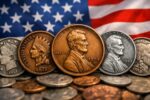
The rare Lincoln Wheat penny worth $567,000 represents far more than its modest face value. It embodies history, artistry, and human achievement, transforming everyday currency into a treasure of immense worth. From the 1943 copper penny to the 1955 double die variety, Wheat pennies continue to captivate collectors and investors alike. The ultimate collector’s guide is not just about identifying rare coins but about appreciating the stories they tell, the challenges they present, and the legacy they carry into the future. In 2026, the passion for rare coins remains strong, ensuring that treasures like the Lincoln Wheat penny will continue to inspire generations to come.